Saturday, May 26, 2018

Don't Drill Through Your SubFrame!

We are not big proponents of permanently modifying street-legal cars.    Race cars are different animals so anything goes with them.  We serviced a car recently that had a competitive rear toe link installed.  What we found was troubling.  See the picture below. 

As you can see, the hole that was drilled during installation is not centered.  Their kit requires drilling through the subframe and wishbone bushes to accommodate a larger bolt.  There is no good way to ensure that you will drill through the center of the bush - unless you remove it.  Clearly, this was installed by a shop that decided to drill the bush/wishbone while it was still in the subframe.  

Additionally with this solution, you will never be able to return your subframe to stock as it will be permanently modified - which means diminished resale value.  We don't see any point in doing this as the marginally lower cost of their kit is clearly offset by the additional labor and future resale loss.

missdrilled bush.jpg

We are clearly biased as we sell bolt-in rear toe link braces that do not require such mods.  Have a look at our solutions before you permanently modify your car.  Find them: HERE

We know that cars that don't have permanent mods tend to sell for higher premiums.  The closer the car is to stock, when you sell it, the more it will fetch.  We advocate installing only bolt-on solutions and retaining the stock parts just in case you plan to sell your car in the future.

Tuesday, May 8, 2018

Tire Selection Is Where The Rubber Meets The Road!

Changing tires is something we must contemplate at some point.  Sportscars generally require this sooner than later.  Care must be taken or you can ruin the beautiful handling of your Lotus.  Tire selection is a very complex issue and not one that can be fully addressed in a short article.  Since your tire is what holds your car to the road, I thought it would be a good issue to discuss.

Lotus ride & handling engineers work closely with tire manufacturers to develop the tires found on their cars.  The Elise with a Sport pack came with Yokohama AO48 tires.  They are a special tire compound (LTS) developed by Yokohoma for Lotus.  Car manufacturers buy thousands of tires so tire manufacturers are often willing to create special tires for the OEs.  This allows those crafty OE engineers to ‘fine-tune’ their cars. 

The Elise came with two different suspensions: Standard and Sport that demanded different tires.  The Standard (there is no such thing as the ‘Touring’ suspension) suspension featured narrower front wheels with 175 front and 225 rear Yokohama AD07 tires.  The Sport packaged cars came with more aggressively tuned dampers with wider(front) forged wheels and stickier Yoko A048 r-compound tires in a 195 front and 225 rear.  These sizes and tires work as intended and few alternatives exist that deliver the same overall performance. So does this mean we should only use factory-approved tires?  No, you can veer from their spec tire but you need to go in with your eyes wide open. 

What are the key areas that must be considered during tire selection?  Here is an abbreviated list - in no particular order:

1.      Size

2.      Compound

3.      Brand/model

4.      Vehicle weight

5.      Availability


Tire size is something that many people immediately begin experimenting with.  Oftentimes, a tire is available in a multitude of sizes and car owners believe they might try wider tires to create more grip.  This can work, but many times, it may deliver the opposite effect as the tires don’t get into their operating temperature range due to the low weight of our cars. 

Lotus are lightweight, which narrows (pun intended) our tire options.  Lighter cars demand softer compound tires.  What works well on a 3300lb Corvette/BMW/Porsche will be hard as a rock on a Lotus.  You may have noticed that our street tires are considered track tires by those heavy-weight sportscars.  So your favorite aggressive street tire on your last GT3 may not work on your new Exige.  Of course, if you can go with even softer tires, wider widths are possible but the only tires that are softer tend to be non-street friendly tires.

OE tire size is usually dictated by the weight distribution of a car.  Since modern Lotus are mid-engine cars, they have more weight in the rear which means wider tires are needed in the rear and narrower in the front.  On a car, like a BMW or Miata, with 50/50 weight distribution, you will often see owners running the same tires front to rear.  This will not work on our Lotus with a 40/60 weight balance.   Note the Elise/Exige has 195/225 tire size split or a 175/225.

grripp.jpg

The rabbit hole of tire knowledge sucks you in deeper when you start to consider tire temperatures.  Tires are designed to operate in a certain temperature range.  You have heard about accidents that occurred due to ‘cold’ tires.  Tires gain temperature due to friction as they are driven.  It is critical that they get within their operating range to work effectively.  If they are outside of this range, poor results can be expected.  Wider tires may not be able to achieve the temps required if all other variables, like car weight, remain the same.  The net result is a tire that grips even less than a narrower tire. 

How about going with smaller rims and larger sidewall tires?  I introduced this idea ten years ago in an attempt to improve our compliance and grip on rough canyon roads.  Our Lotus friends in Japan showed me the way.  The 15”/16” rims work nicely in this environment but introduce several other issues that we can discuss in another article.  Most of you want to stick with stock-sized rims and need tires that are suitable. 

Tire Grip Graph.jpg

The graph above shows the lateral force curves generated by two different tires.  Both tires show a linear response initially and as the slip angle increases the lateral forces generated drop off.  The arrows define an area that is at the edge of grip or control for Tire A.  This is actually where the best race drivers operate their cars whilst dazzling us with their superior car control.  This curve is different for each tire size, compound, etc.  When you change the tire in your car, you need to be aware that you will be changing where your car will begin to lose grip.  So if your new tire can not generate enough heat, the curve will certainly be worse than stock.  If you choose a harder compound to get more life, the same result can ensue.  This is especially true with the front tires on a modern Lotus since they support less weight and are the ones that do all the turning!

So what’s a poor Lotus owner, with worn-out tires supposed to do?  Here are my suggestions based on some assumptions that you:

1.      Enjoy driving your car aggressively and occasionally at the limit

2.      Want tires that fit within your wheel wells

3.      Are not a part of ‘Stance Nation’

4.      Have stock sized rims

5.      Drive on the street

My recommendations:

1.      Buy stock sizes

2.      Buy factory-recommended brands

3.      Never split tire types – front to rear

4.      Consider competitive brands in stock sizes and compounds

  • I am a big fan of the new Toyo R888R and the older R888 in 195/225 sizes

5.      Call your local or not-local Lotus Specialist and pick their brain for advice.

6.      Get your tires mounted/balanced correctly or you will really hate those tires!

Wednesday, January 17, 2018

Track Prep: Trilogy of Terror

Not familiar with this 70s B-grade Horror flick?  It's bad.

Not familiar with this 70s B-grade Horror flick?  It's bad.

The Elise & Exige can be a very fun track day car.  We believe that prepping the car does not require much investment but it is something that is required.  There are three areas that need to be addressed if you plan to track your Lotus Elise/Exige.  These three areas will keep your car running safely and reliably.  They are:

  1. Rear Toe Link
  2. Oil Starvation
  3. Fuel Starvation

Each of these can be addressed with parts, or in some cases with additional maintenance scrutiny.  Let's discuss each in more detail.

FUEL STARVATION

One fast long sweeper that Lotus car fuel starve.  The factory fuel tanks are not baffled which results in fuel sloshing away from the fuel pick up.  There are two fixes that we like:

  1. Keep your fuel tank full
  2. Baffled Fuel Tank

The cheapest solution is to simply top off your fuel tank BEFORE every track session.  Some cars with even 1/2 tank of fuel have starved.  If you prefer to run a light fuel load (AutoX or Time Trials) then our V2 Fuel Tank is a great solution.  See the picture below:

stock vs V2.jpg

We know that there are other solutions on offer like fuel surge tanks.  We are not big fans of these as they do not fix the problem at the source.  They also cut into fuel lines and create another area for failure.  We know of at least 2 cars that have burned to the ground from surge tank-related failures.  Why take the chance when you can fix the issue safely?

REAR TOE LINKS 

We know the rear toe link joint is a weak point in the Elise/Exige - mostly with track-driven cars.  There is a misconception that the toe link is weak - it is actually the joint where the stock balljoint meets the subframe.  This joint can get loose and then the balljoint stud will start to neck and shear off.  When this happens, you will lose control of your car as the rear toe will move wildly.   This joint is in Single Shear which is not ideal. 

The low-cost solution is to check the torque on the nut that holds this balljoint to the subframe.  We like to torque it to spec and then paint market it.  This was you can visually inspect this before and during each event.  The safest solution is to upgrade into a rear toe link brace.

Over the years, we have developed several of these braces, including the DSbrace, TLUkit, RTDbrace, and RTD2brace.  These bolt-in solutions require no modifications and place the joint into Double Shear.  As a result, we have created a significantly stronger joint.  

installed.jpg

The easiest way to explain the differences between Double & Single Shear is to think of when you were a child and fighting over a stick or piece of wood with a friend.  He grabs one end, trying to pull it out of your hands, the stick starts to go back and forth, you can hear it starting to crack and then you grab the other side of the stick putting his hand in the middle of your hands. He keeps pulling as hard as he can, but you have full control and there is no more tension on the stick. His force with one arm is now dominated by the strength of your two arms. Now, replace the stick with a bolt, and you and your friend's arms are metal rods. The same applies to the bolt as it would the stick. 

The strength of a Double Shear joint is effectively double that of a Single Shear joint.  Here is a picture that helps illustrate the shearing actions:

shear.png

OIL STARVATION

Much like fuel starvation, engine oil is another area of concern on a Lotus.  These cars can easily pull 1g in a corner with stock tires.  Couple that with a long fast sweeper with an unbaffled oil pan and you will run the risk of damaging your engine. 

A simple low-cost solution that can work for casual track day drivers is to overfill the oil pan with a bit more oil.  Though this can work for someone running for the first time, some starvation can still occur if you are capable of maintaining sustained g loading.  Even short periods of starvation will slowly chip away at your engine resulting in eventual failure.  For a more permanent fix, we suggest a baffled oil pan.

A baffled oil pan like our gPAN3 has proven to be the solution to this problem.  Especially if you are running in an Intermediate group or slicks or heavy downforce.  There are hundreds of owners running these baffled pans with great results.  Dry sump solutions are the most awesome solution but are far more complex and not a street-friendly solution.

Tuesday, January 9, 2018

Testing: Stock Front Swaybar + Rear Swaybar

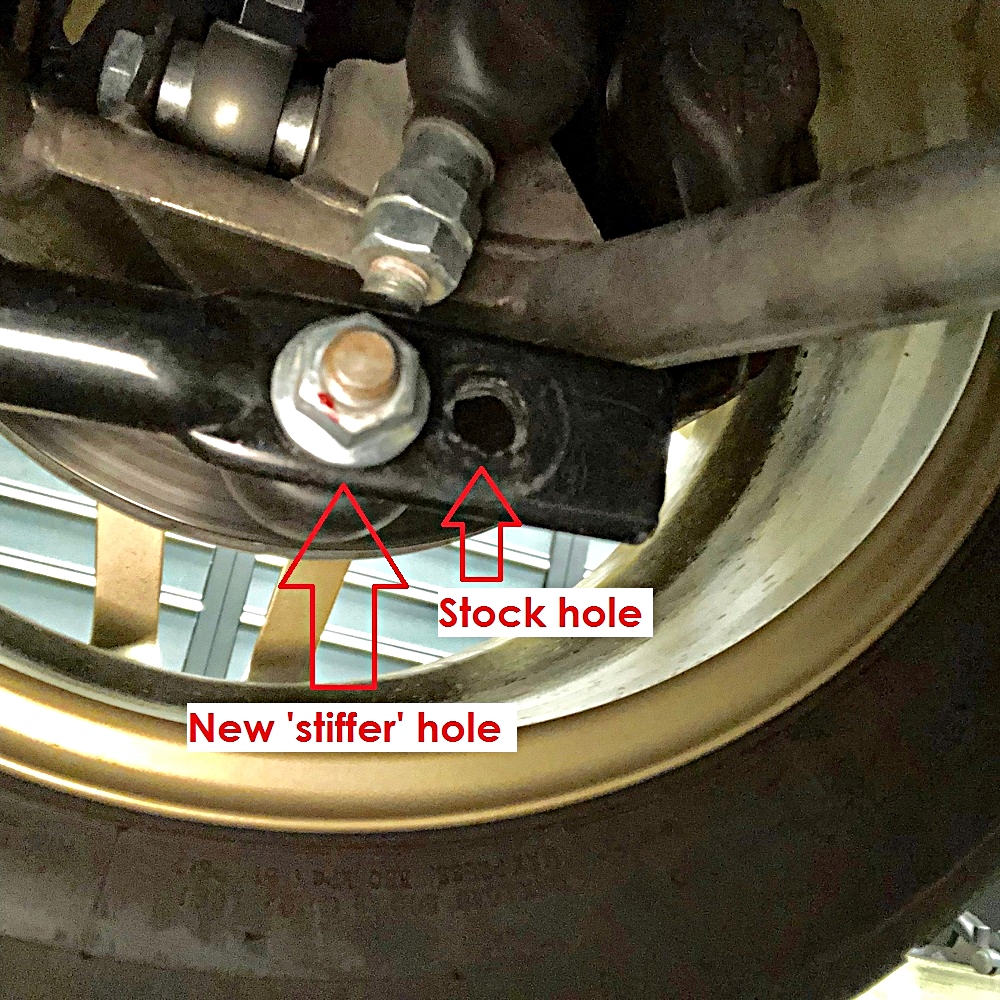
We needed to determine whether or not a factory front bar would work with our new Rear Swaybar.  I was a bit skeptical as the torsional stiffness numbers did not suggest that it could work with stock settings.  So I decided to stiffen the stock swaybar using a trick we have used for many, many years.  We drilled an additional hole to effectively stiffen the front swaybar.  Lucky for us, the factory bar has enough real estate that we can safely do this - as we have since 2005.  8^)

srockDRILLED.jpeg


We set the rear swaybar to the softest setting and went out for a road test.  The balance was good.  Turn-in was not as quick as it was previously but the car handled nicely.  I stormed through my favorite test canyon with this setup.  The car has also been running a new calibration for our KATANA2 kit so it felt especially quick.  Frankly, this made the handling even more critical.  Our suspension remained compliant in the street settings and with the redrilled stock front swaybar, I was very happy with the car's performance.  I did not run it in the stock hole setting as our new settings felt 'just right'.   If you have a yellow factory adjustable front swaybar, the tuning possibilities will be even better. 

Photo Dec 19, 5 21 58 PM.jpg

I can confidently recommend our rear swaybar to anyone with any factory front bar.  If you are willing to drill the stock non-adjustable bar, you will have a good balance.  One advantage is that you can run your stock suspension and get the benefit of a flatter handling car with the addition of our Rear Swaybar.   No need for new dampers - unless yours are worn out.

drilled hole.jpg

Friday, December 29, 2017

Exige S260 Shift Cable Damage!

We have had two S260 Exiges in the shop in the last month.  Both cars have suffered from poor shifting.  The shifts were very stiff and somewhat vague.  Even when we compared them to a bone stock '05 Elise that we have, the shift action was clearly off.  We found that each was suffering from the same issue.  It appears the factory subframe stiffener can crush the cables (one or both)during undertray installation.  

cable interference.jpg

These detailed images show the damage.  Once the cable housing has been crushed, the action of the cable is compromised and becomes very stiff.  

cable damage.jpg
undertray.jpg

We found that pushing the cables out of the way during the undertray installation could provide enough clearance.  Though the proper fix would be to move one of the cable routing brackets - which requires removing the sheer panel and drilling new holes. 

Here is another installation tip from an S260 Owner.

...When you reinstall the lower pan, remove the NACA duct so that you can reach in and pull the cables to the far left. Then push the pan up and secure it with the nearest bolt. This will hold the pan in place and not allow the cables to get pinched. If you do not do this, you actually risk tearing the sheathing on the cable.

-Eldon

Both clients opted to get our cables as the cable housing had also begun separating.  The shifting action is greatly improved now as well.

If you have a car with a factory subframe stiffener, check your cables to ensure they are not getting crushed.  If they are, give us a call and we can help get you sorted!

Thursday, December 28, 2017

Clutch Inspection & Selection

The Lotus are getting older and racking up more mileage.  Wear items like clutches have been blowing up from the early days thanks to abuse, high power, or just wearing out.  We have run various clutches over the years and have formed some opinions.  This Blog hopes to illustrate some of our findings.

FAILURE ON TRACK

At our recent track day weekend, one friend blew up his clutch.  This Elise had seen 25+ track days since the clutch was installed.  His original factory clutch lasted about the same time (25 track days).  This 190hp car was being driven by an experienced driver who enjoys his car on the road and track.  See the pictures below:

broken.jpg

This pressure plate came apart and also did some damage to the trans housing as shown below:

unnamed.jpg

INSPECTION

Clutches don't last forever as they are designed to wear out.  The more you shift the more you wear on the clutch/fly system. There is no perfect way to determine when your clutch may fail.  Peeking through the inspection area on your trans housing is certainly one way to check, but not fool proof.  You can gauge the clutch engagement point, with the pedal, as another way to determine when it is wearing out  - but even this is not perfect.  What is the solution?  

You have to physically inspect the clutch to know for sure.  So you need to determine an interval that is acceptable to you as it takes a fair amount of time to do right thoroughly.  Your interval will be based on how you drive your car.  In fact, we know of one car with well over 200k miles with a stock clutch - though this one has never been on the track or AutoX.

If you are tracking your car regularly, I would suggest that you have your clutch removed and  checked every 3 years.  If you race, then I suggest having this done every year.  The trans is something that you should consider having inspected and rebuilt at the same interval.  If you are a regular AutoXer , I would check every 2-3 years.  More frequently if you tend to dump the clutch at every start.  If you run only on the street and are easy on the clutch, then you might consider having it done at 100k miles.

SELECTION

Choosing a clutch can be hard as there are a myriad of choices.  I find that most people think they need much more clutch that they actually do.  The torque (133 ft-lbs) on a stock Lotus is quite modest - even most modified cars don't make enough power to justify aggressive clutches. 

I tend to like clutches with smooth engagement and release.  I don't like pedal effort that is too high - in fact, stock-like effort is possible.  If you have a stock Lotus or even one with modest power (<300hp), we see no need for a race clutch.  We have serviced clients cars who had overly aggressive clutches installed and are hard to drive smoothly.  These cars usually don't need the capacity of these clutches and end up have much worse driveability - especially around town.  Get a clutch with a sprung hub.  We learned the hard way that an unsprung friction plate does bad things quickly to the trans. 

The OE clutch that came with most of the lower powered cars has great feel.  The only real weakness is that the springs are held in the hub by a plastic retainer.  This plastic will fail with aggressive use and/or abuse.  The uprated TRD clutches are a good alternative for those of you who prefer to stay with OE.

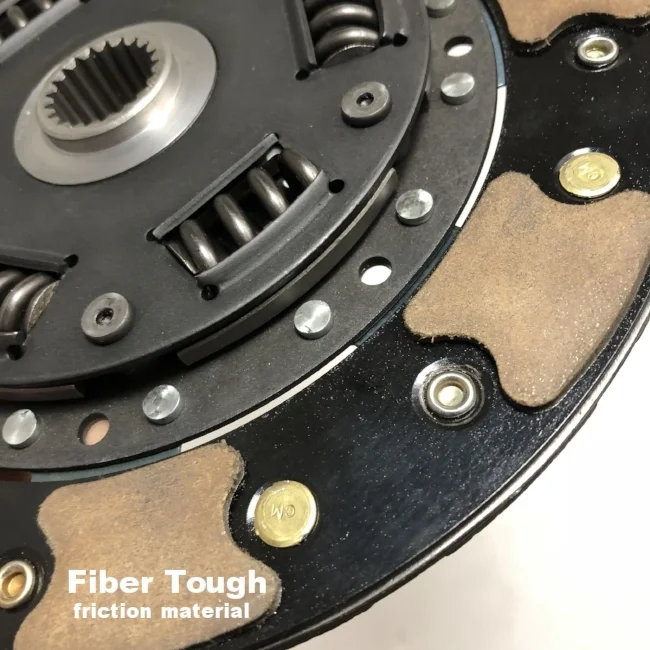
Of course, we have our favorites.  I'm a fan of Organic friction material for normal applications.  Fiber Tough is another material that we have found to work very well.   Our STREETclutch can work for most of these applications.  Our HDclutch is a good alternative for cars with more power (<300hp) or regular trackday use or AutoX.  The pressure plate on these clutches offer great pedal feel with effort that is OE-like.  We installed a kit on an Evora and was surprised to find it was even lighter!

Perfect for street cars with stock levels of power.

Perfect for street cars with stock levels of power.

Good for cars driven more vigorously or with modest power increases (&lt;300hp).

Good for cars driven more vigorously or with modest power increases (<300hp).

If you drag race or dump your clutch with AutoX, then a more aggressive clutch would be better - but be prepared for other tradeoffs.  Typical tradeoffs include:

  • Much higher pedal effort
  • 'On & Off' feel or engagement
  • Lower life
  • Additional wear on trans parts

BREAK-IN PERIOD

This is often times the worst part of installing a new clutch.  The clutch and flywheel need to mate together.  Your new parts need a sympathetic break-in period of about 500 miles.  Normal stop-and-go driving is needed.  Clutch dumps or full throttle or compression braking is FORBIDDEN during this 500 mile interval!  The feel of the clutch won't be that great initially until they bed in.  After 500 miles or so, you will be able to drive more aggressively. 

Thursday, December 21, 2017

Lotus Alignment Recommendations

large.jpg

  A proper alignment is critical to the performance of your lightweight sports cars.  These cars are very sensitive and respond well to changes in the suspension setup.  These recommendations are based on experience we've gathered since 2004 with the Lotus 111 platform.  Your results may vary so we suggest you start here and tweak as your driving style demands.  

Make sure that your car's suspension components are in mechanically sound condition.  Check your ball joints, toe links, track ends, etc to ensure that nothing is worn out.  See our 60pt Prep Sheet for a great reference.  Consider our Suspension Refresh Kit if you discover worn-out parts have a higher mileage car.

Recommended settings for an Elise/Exige street/track car with R-compound tires.         

                          Front                 Rear
Ride height    125 +/- 3mm    130 +/- 3mm
Camber            -2.2°               -2.4° to -2.7°
Toe (total)       0                       3mm total toe-in


Recommended settings for a track Elise/Exige car with slick tires.

                           Front                      Rear
Ride height    120 +/- 3mm              125 +/- 3mm
Camber            -3°                             -3°
Toe (total)       0 - 1mm toe out        3mm total toe-in


Follow These Steps:

1.      Set the ride height.  

2.      Set camber.

3.      Set toe.

  • To set the camber, remove all your stock shims as well as the ABS shim. You may need to install V2arms or machine your stock steering arms to obtain optimal camber.  Remember to use thread locker on the steering arm bolts.
  • While a lower ride height is possible, we find the suspension works best at these recommended heights and the chance of scraping the bottom of your car is less.
  • Write Down All of Your Changes!  Write down your alignment settings and then note how the car performs. Write down any changes you make and record the results. This is the best way to get the car dialed in exactly how you like it.  Use our Alignment/Set-up Sheet to help keep tabs on the changes.

Wednesday, December 20, 2017

Engine Mount Trouble!

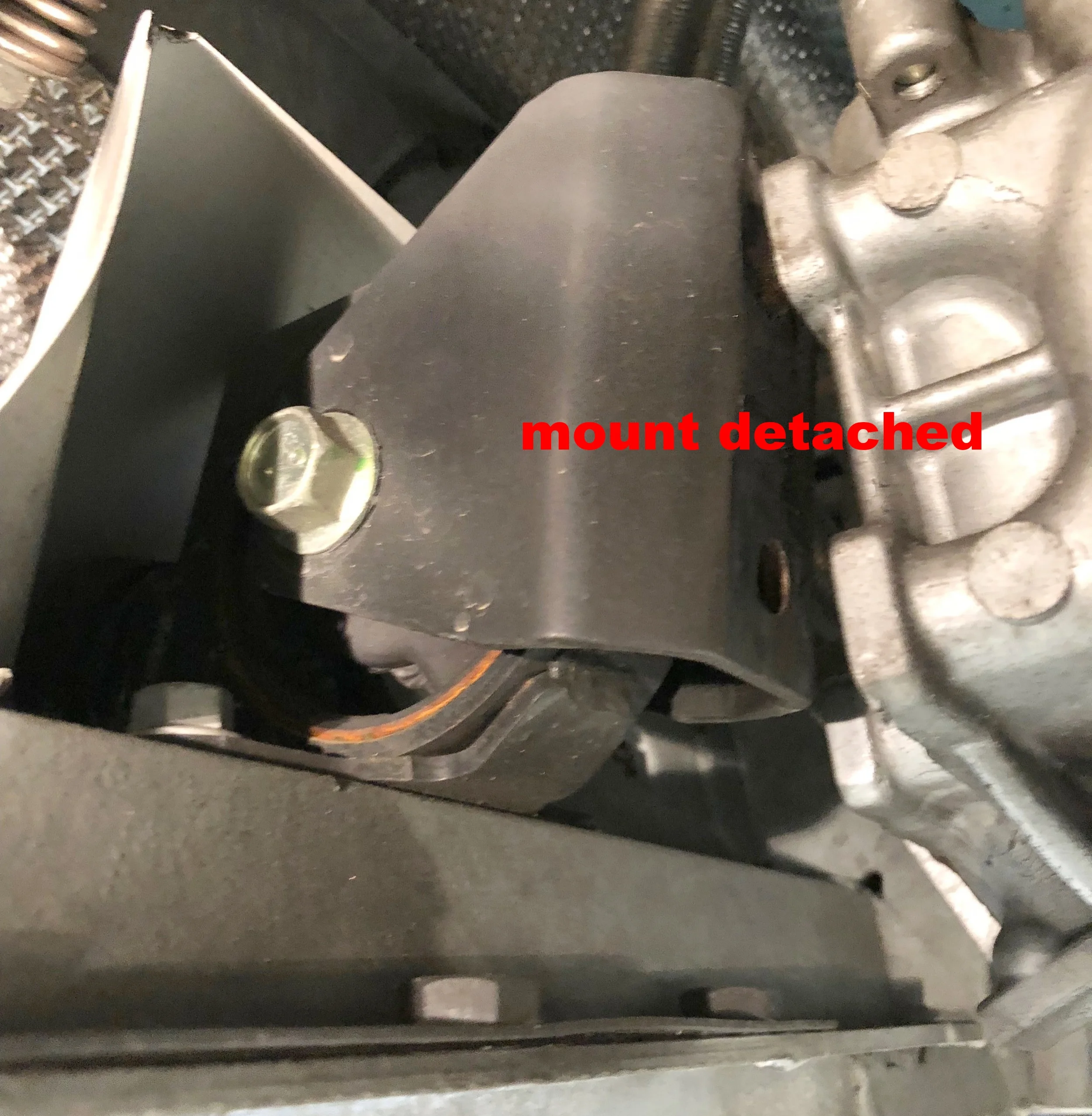
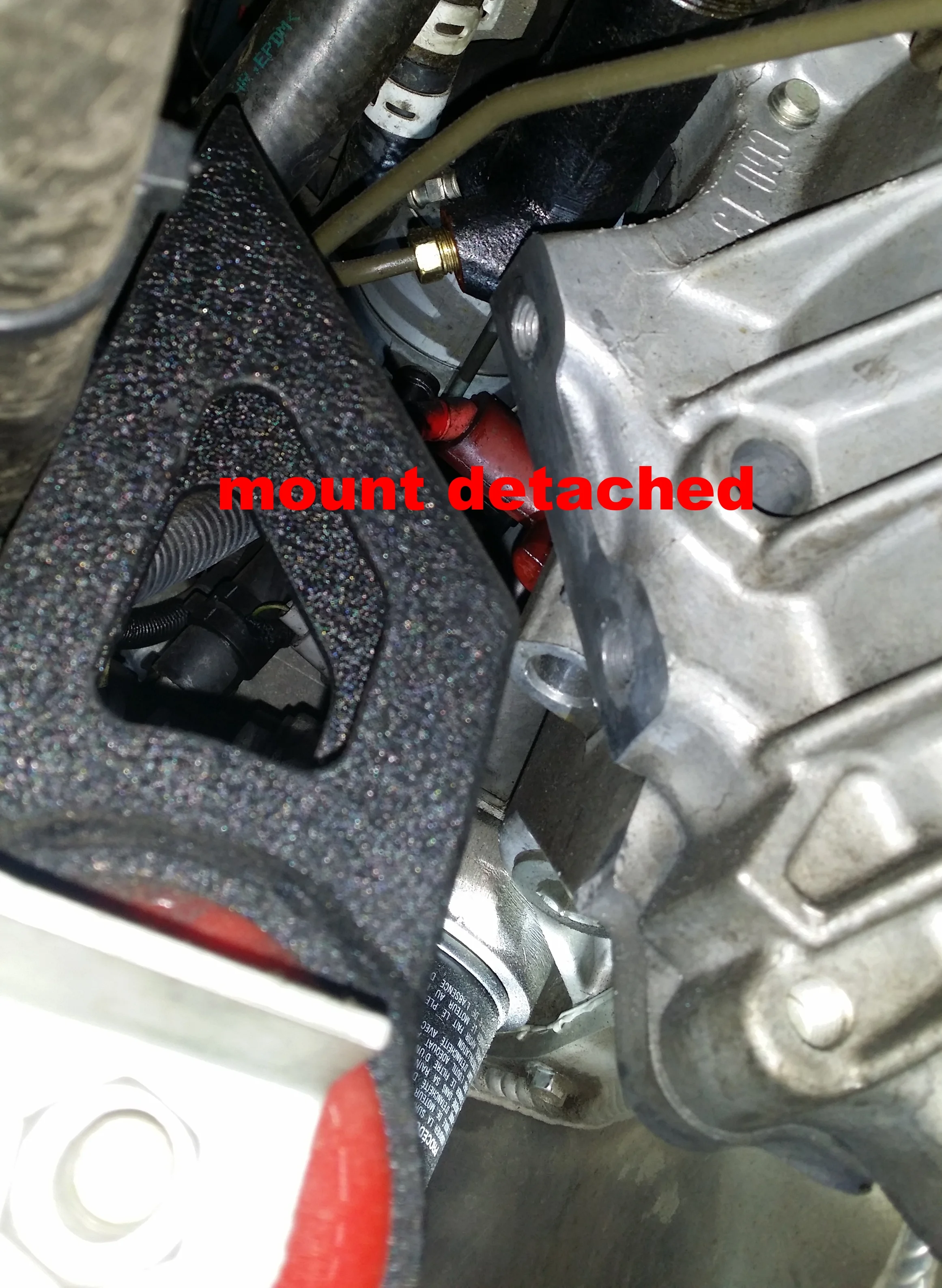
trans mount detached

We love the fact that Lotus are lightweight cars.  One reason is the minimal number and size of fasteners used on the cars.  These fasteners have a tendency to come loose and need frequent inspection.  In fact, we always like to do a visual inspection BEFORE any driving event - especially a track day.   Engine mounts are items that we recommend should be inspected before each event or ...

detached mount

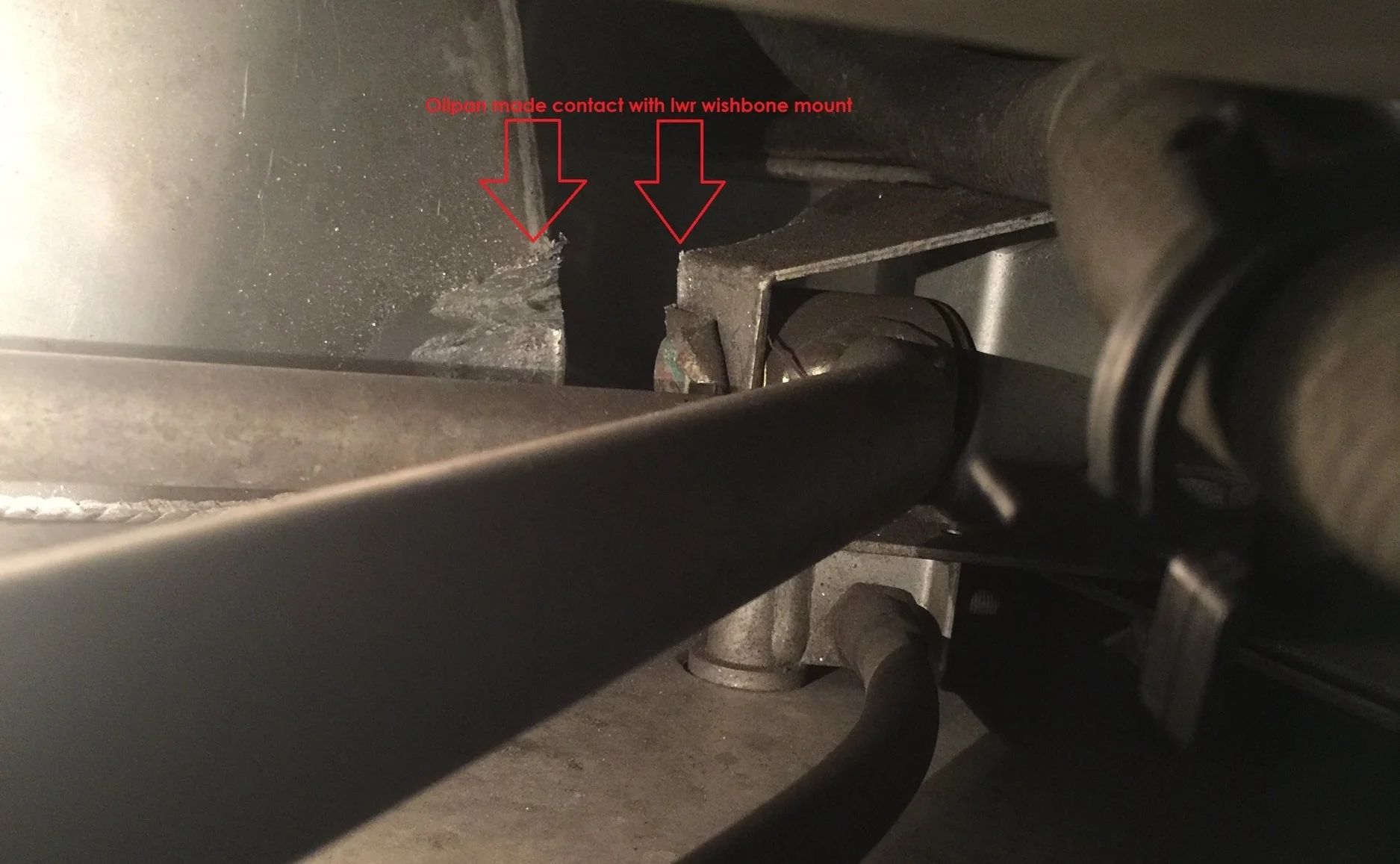
In the last month, we've had two cars in for service, a '06 Elise and an '11 Exige S260 with engine mounts that were compromised thanks to fasteners that had either become loose or fallen out!  This resulted in major powertrain movement that caused collateral damage including:

  • damage to the oil pan
  • damage to subframe stiffener
  • poor shifting
  • shift cable damage
  • more
oil pan damage

We have used the 60pt Prep Sheet to help check critical areas on these cars.  Find it: HERE.  Winter is the perfect time to look over your car and get her prepped so you don't suffer any of the problems these last two car owners have had to deal with!

Tuesday, December 19, 2017

Rear Swaybar & Soft Suspension (Spring) Testing

Palomar Rear Swaybar Testing 8-20-17.jpg

We have been testing a new suspension that features a component not found on the Elise or Exige.  This innovation is a rear swaybar (anti-rollbar) that was developed by our partners in Italy, DNA Racing.   This rear swaybar allowed us to test softer springs than we typically run.  We've spent several weeks testing on the road and track.  We recruited our friend and pro-Ride & Handling Engineer, David Thilenius for set-up and tuning.  Our focus was to create a fantastic handling car for the street and occasional track use.  We were focused on delivering a flat handling car with grip and compliance, especially on rough roads and tracks.  All the work was conducted on our street legal '05 Elise.

We tested the following:

  • Spring rates:
    • 250lbs/350lbs
    • 350lbs/500lbs
    • 450lbs/600lbs
  • Valving
    • 2 different levels
  • Swaybar settings:
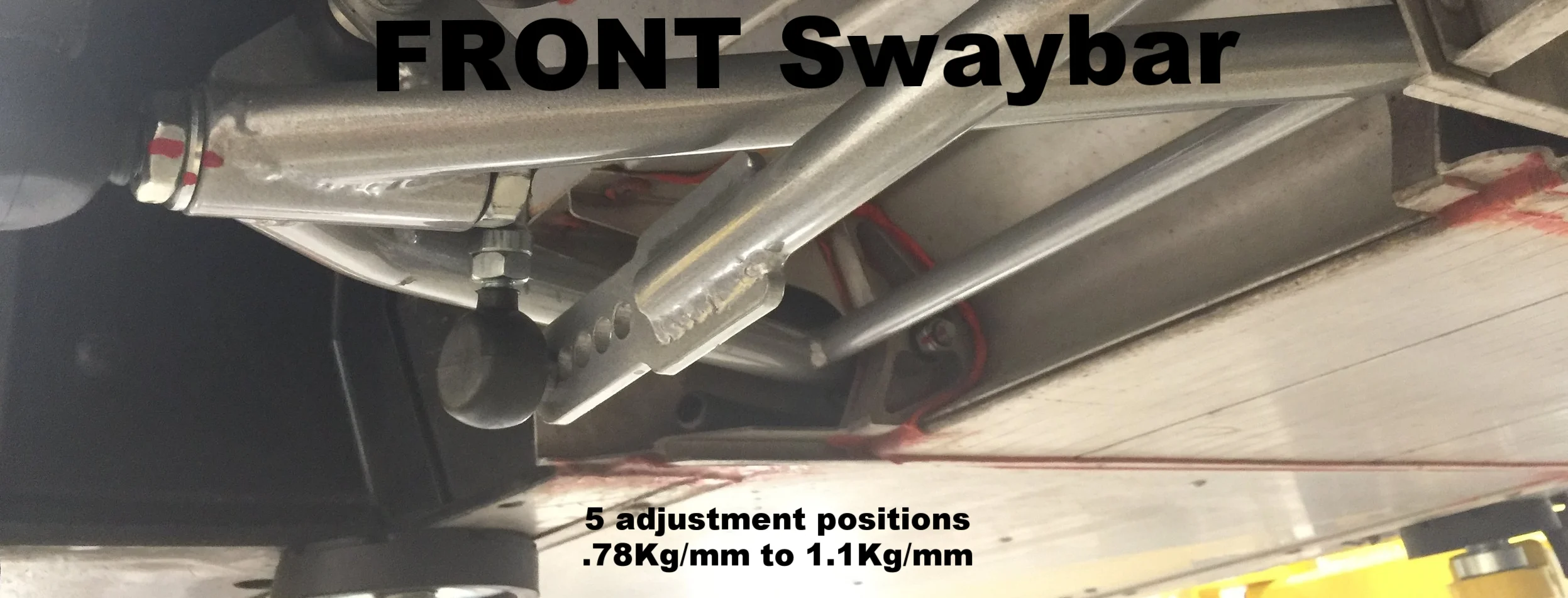
    • Front: 20mm bar with 5 positions
      • .78Kg/mm to 1.1Kg/mm
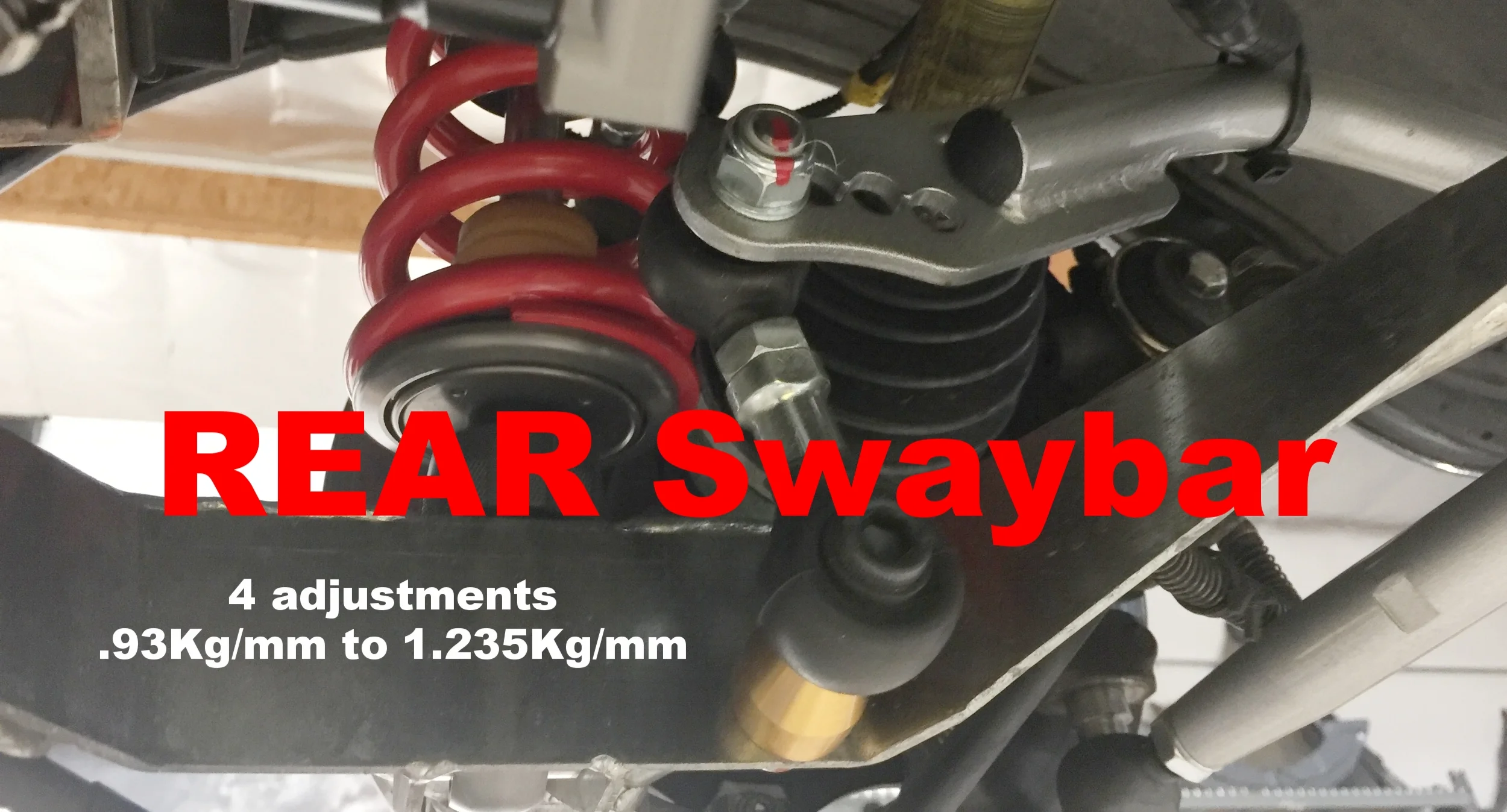
    • Rear: 20mm bar with 4 positions
      • .93Kg/mm to 1.235 Kg/mm

The key advantage of the rear bar is that you can run softer springs than normal.   Swaybars are used to help manage large side-to-side body movements (body roll).  Running softer springs deliver a more compliant ride and more grip.  Without a rear bar, we've had to run heavy springs in an effort to better control the car and to reduce body roll.  The downside of a rear swaybar is the added complexity and cost.   Check this reference for more details: Wikipedia

Front swaybar
Rear swaybar with 4 adjustments. &nbsp;Requires drilling one hole into the lower wishbone as shown above.

Rear swaybar with 4 adjustments.  Requires drilling one hole into the lower wishbone as shown above.

We started with 450/600 spring rates but then switched over to even softer rates than we have ever run: 350lbs front & 500lbs rear.  We completed most of our testing with Triple Adjustable dampers with our V2 valving developed by our good friend Ralph@V2 Motorsport.  This gave us a wide latitude to test.  A future blog will cover the details of the dampers and settings. 

Dave T. spent a day running our Elise on his development route through SoCal roads to dial in his tuning.  His final settings proved to be good but firm.   He also had the dampers set at almost full soft and recommended that we revalve the dampers as well as other areas to find additional compliance.   I drove the car and was impressed but wanted to take it to the West Coast Lotus Meet to really put some miles on this set-up.

wclm canyon.jpg

The West Coast Lotus Meet trip included a several-hour freeway trip to reach the location and one EPIC canyon run that took most of the second day.  The suspension felt good and performed very well as I hung with the tour leader for hours through some great but rough canyon roads.  I knew this was a nicely balanced kit BUT it was still a bit stiffer than I wanted.  It was more comfortable than the factory Sport suspension but stiffer than the factory Standard suspension.  I wanted the best of both worlds.

We had the dampers revalved to shift the curve to deliver more comfort but kept enough to make it stiff enough for the track.  We also placed the softer 250/350 springs on to help.  Dave was recruited once again to have a go.  The advantage of a professional is that you can get excellent data fairly quickly.  It took him another day of tuning to land on a setting that struck the best balance.  I took the car out onto my favorite test canyon road and was truly impressed.  The compliance and grip were what I was hoping for.  The car turns in flat and sharply.  The soft suspension soaked up the rough roads without beating me up.  

Photo Dec 16, 1 21 27 PM.jpg

Track testing was our next objective.  I decided to drive the car to Spring Mountain and softened the Rebound 5 more clicks to see the effect.  It was even better on our bump-strewn freeways.  SoCal has expansion joints that are notoriously bad and can make a Sport pack Lotus feel like a bucking bronco.  Our new suspension was perfectly comfortable yet still sporty and responsive.  My goal is to create a  useable sports car that you can take on trips and yet still strafe a canyon or run an occasional track day, not a boulevard cruiser.  

1508947577_east_b_800_labeled.png

Spring Mtn was running the East 1.6mile course.  This is a fast and smooth course but has many curbs that you can ride that can upset a less forgiving suspension.  After stiffening rebound to Dave’s road settings, I went out to do some warm-up laps and quickly realized that the car was too soft for the track.  We decided to put the swaybar onto the stiffest settings to see if that would help the wallowly response on track.  This proved to be a disaster as the car turned in quickly but understeered horribly.  I took one lap on track and exited immediately to make a change as it was almost undrivable!  It took us another few different iterations of settings on the swaybars and the dampers to get the car to my satisfaction.  I like a neutral-handling car that maintains a nice balance.  The final setting was exactly what I liked.  

I had a couple of Lotus owners drive the car to get their feedback as well.  Steve drove the car on track and was very impressed.  He has owned an Elise for 10 years and has done at least 60 track days so is very dialed into this platform.  He also has the Ohlins TTX dampers yet was very impressed with our kit.  Watch his video testimonial: Click HERE or below.

https://www.facebook.com/inokineticgroup/videos/388429991605550/

At this point, we are ready for production parts.  We placed an order with our partner and expect to see production parts by the end of Dec or early Jan'18. 

One additional configuration that we need to test is running this rear swaybar with the factory non-adjustable bar.   I'm not overly optimistic as the torsional stiffness of the factory bar may be too light - even after drilling a new hole to increase stiffness.   We try it out this coming week... (UPDATE Edit: stock front bar works.  New Blog will be posted soon)